


“I’ve never seen this level of detail, concentration and layering of flavour in such young fruit
in any wine I’ve ever made or been involved with”
- Sandro Mosele
“some of the 2024s (Pinot Noirs) tasted in barrel at the winery are extraordinary.” &
“…easily one of the most exciting examples of the variety I’ve tasted this year, from anywhere...”
– Max Allen
“This is an exceptional first release, and a truly beautiful wine. 95 points”
Campbell Mattinson, The Wine Front.
“This is staggeringly good wine…”
- Max Allen, jancisrobinson.com
”The Most Exciting Vineyard You’ve Never Heard Of”
- Jane Faulkner, Halliday Wine Companion Magazine. (July 2024)
”Elanto Vineyard Elanto named Best New Winery at Halliday Wine Companion Awards 2026”
- Kara Monssen, Herald Sun
Tuesday September 23rd
Hosted by
Sandro Mosele, Elanto Co-Owner & Winemaker
Masterclass: 7-9pm, 4 Wines with four courses, $145
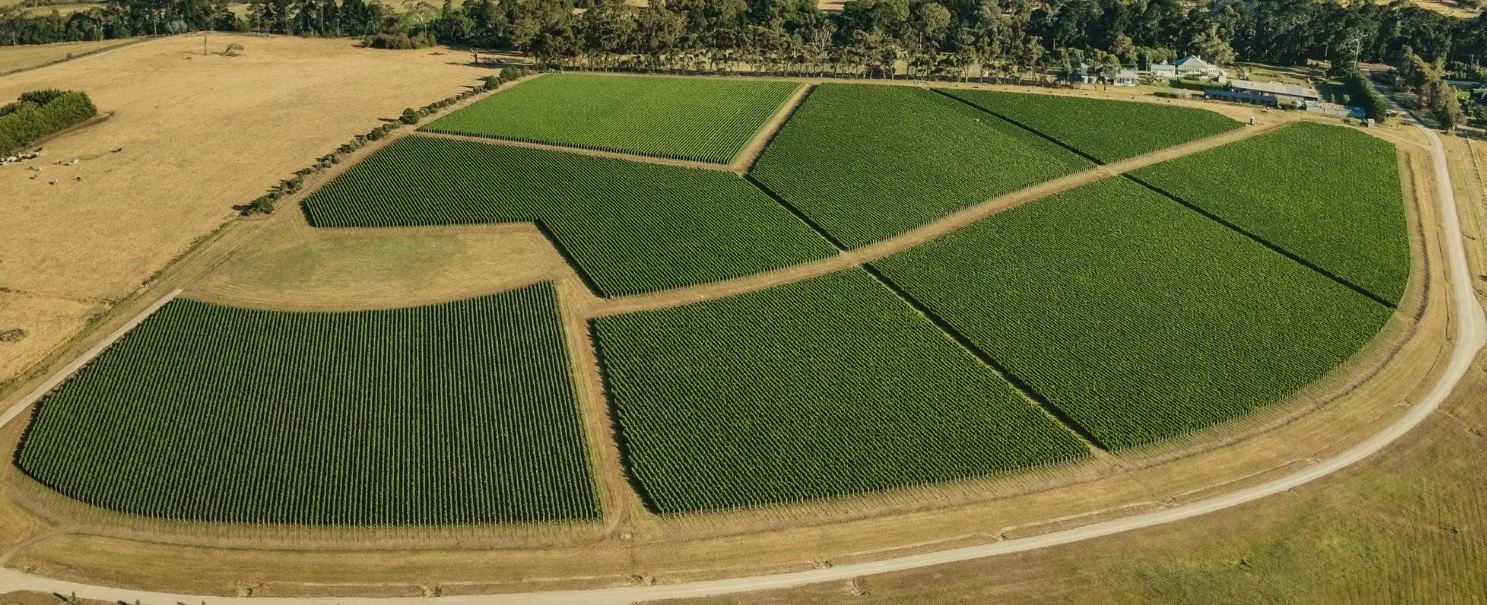
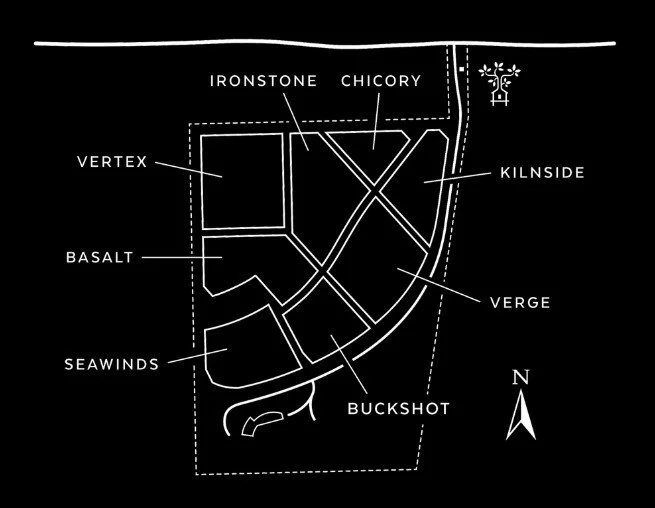
Elanto - the Unique Vineyard
Sandro Mosele on Elanto…
In 2001 I visited Burgundy, the home of Pinot Noir and Chardonnay, for the first time. It struck me that as a winemaker, there was little difference between what was happening in terms of winemaking there to what we were doing back home in Australia. Yet, it was the complete opposite when my attention turned to the vineyards.
Going through wine school in the 1990’s, the focus in viticulture was on divided canopies and trying to balance plant vigour via bud numbers left at pruning. This meant that on vigorous sites, the advice was to plant less vines per hectare, which in turn created a bigger vine with a larger canopy that was often divided into two: Lyre, or Scott Henry style trellising.
The Burgundian model was quite different. It involved increasing competition and keeping the vines smaller and compact, resulting in a much larger vine number per hectare, and therefore a smaller yield per vine. Putting aside the obvious terroir differences, it made me question if this was one of the major reasons that could account for the quality differences when comparing Burgundy to Australia.
The equipment and workload required to run a high-density vineyard was, and still is, the major drawback that stops many from attempting this in Australia. There are some older examples of this style of vineyard in Australia, namely associated with Gary Farr and a few others, but these are rare and often quite small. Back in the mid 2000’s our first foray into higher density was to reduce the vine spacing by half and narrow the rows to the smallest width that our existing equipment could work in. Using this methodology, we planted a block to 2.2mrows with 0.75m vine spacing. While acknowledging all the variables, over the years I observed a noticeable improvement in quality.
Around 2012-14, both Michael Dhillon at Bindi and Robert Walters at Place of Changing Winds planted vineyards which addressed the row width issue using specialized Niko tractors, enabling the rows to be reduced down to Burgundian standards. It was these vineyards that demonstrated that equipment was not a barrier.
Tim Brown was heavily involved in both these vineyards, and we were friends from a much earlier time when we both worked at Rochford back in 1994. Tim was in the vineyard, and I was doing my first vintage. We started to work together on the Mornington Peninsula as well as travelling overseas, mostly in France and Italy, to further our knowledge and contacts.
One evening sometime in 2017, I was at a restaurant where I was showing some French wines to a group organized by a friend. One of the people there was Tony Todaro. We connected, and over time we started to discuss Australian wine and our thoughts on what the future might hold. The result of this is that in 2019, Elanto was planted on a site that fitted the requirements to justify such a planting. Tim Brown worked very closely with us throughout the whole establishment process, before going on to establish his own high-density vineyard in Macedon. However, it isn’t only about vineyard architecture. Amongst the inspirational producers we have been fortunate to meet, viticultural practices can differ significantly to common practice here in Australia. Adopting these practices also significantly influences both the vines and resulting wines.
Elanto is a culmination of ideas and thoughts gathered over many years of working in wine, especially on the Mornington Peninsula. We all look forward to what this vineyard will do in the future.
The Wine List
First Course
Elanto Vineyard Single Vineyard Balnarring Chardonnay 2024
A terrific follow up to the inaugural release, coming out with more weight and body. Mid-straw gold and bright. Floral and waxy with lemon, spiced stone fruit, brown spices and honeycomb – lots within yet definitely in the savoury spectrum. Fuller bodied, rich, almost al dente with its phenolics and layers of texture via creamy, nutty lees. It’s detailed yet supple, with a succulence thanks to the all-important uplifting acidity. Moreish and compelling.
96 Points, Jane Faulkner, winecompanion.com.au (August 25)
Torbay asparagus, hollandaise, mandarin
Second Course
Elanto Vineyard Single Vineyard Balnarring Chardonnay 2023
As with the pinot noir, this is the inaugural release and it’s a beauty, enticing …
96 Points, Jane Faulkner, winecompanion.com.au
This is staggeringly good wine considering the age of vines …
18 Points, Max Allen, jancisrobinson.com
Bright medium full yellow; complex cashew, almond, citrus/lime and lemon aromas. Concentrated, rich fruit with a touch of oak sweetness, then a big upswell of flavour towards the back-palate where it lingers long and satisfyingly. Powerful yet elegant: an impressive chardonnay that would take age well.
96 Points, Huon Hooke, therealreview.com (April 2025)
Fantastic intensity of flavour matched to fantastic length.… but everything is in the context of flavour, bold and delicious. This is an exceptional first release, and a truly beautiful wine. 95 points,drink2024-2030+
Campbell Mattinson, The Wine Front
Abrolhos scallops, nori, tobiko
Third Course
Elanto Vineyard Single Vineyard Balnarring Pinot Noir 2024
What a beguiling wine – only the second release and showing complexity far beyond its years. … oak (25% new) completely integrated. …it will age but it’s oh-so pleasing to drink today.
97 Points, Jane Faulkner, winecompanion.com.au (August 25)
Pork belly, green goddess, rocket
Fourth Course
Elanto Vineyard Pinot Noir 2023
Fruit off four-year-old vines. Quite astonishing, and yet the proof is in the glass. … There’s a vivacity across the just medium-bodied palate, a little sinewy, yet savoury through and through; best of all, the shapely, fine tannins take charge as it finishes long and convincingly.
95 Points, Jane Faulkner, winecompanion.com.au (June 24)
Where the inaugural Elanto Chardonnay is notable for its intensity, the Pinot is notable for its complexity. … but has enormous potential and will pull focus beautifully in the bottle.
17+ Points, Max Allen, jancisrobinson.com (September 24)
There’s a lot going on with this Pinot Noir …Seamless is the word; finished is another. … There’s an excellent framework of tannin, firm and velvety … This is the first Pinot Noir grown and made from this vineyard. It’s an exciting debut, … 95 points, drink 2024-2030+,
Campbell Mattinson, the Wine Front.